Long-tenured Taco Bell staff walk out in San José over schedule cuts
Long-tenured Taco Bell employees at a San José location walked off after management cut schedules, highlighting scheduling instability and pay loss risks for hourly fast-food workers.
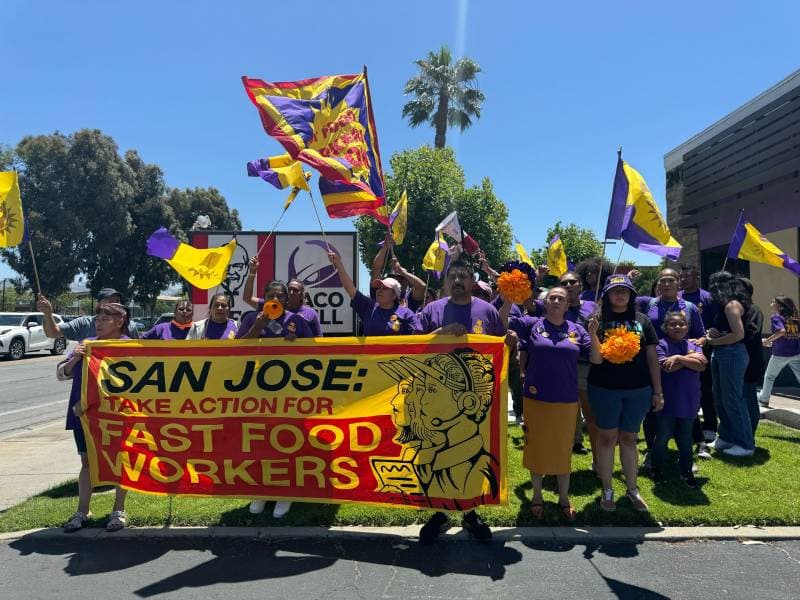
Long-tenured employees at the Taco Bell located at 3690 Stevens Creek Blvd in San José walked off the job after shifts and weekly hours were cut, the California Fast Food Workers Union reported in a social post that included video of the action. The walkout took place January 27, 2026 and was framed by workers and organizers as a response to sudden reductions in scheduled hours for veteran crew members.
The union's post says management reduced long-tenured workers' schedules, and it cites an example of a schedule being cut from about 37 hours a week. Video posted with the caption shows employees leaving the store, signaling a coordinated refusal to continue working under the reduced-hour arrangements. The post did not include management commentary.
Cuts to hours are a direct hit to take-home pay for hourly employees who rely on predictable schedules to cover rent, transportation and other essentials. For workers close to full-time thresholds, losing shifts can also affect eligibility for benefits and make budgeting more difficult. Beyond immediate pay impacts, such reductions can deepen tensions between staff and store leadership, undercut morale and complicate shift coverage during peak hours.
The California Fast Food Workers Union has increasingly used public actions and social media to draw attention to scheduling and staffing practices in fast-food chains across California. Local walkouts like the San José action serve both to spotlight individual cases of schedule cuts and to pressure employers to restore hours or enter talks with staff and organizers. For frontline fast-food workers, coordinated absences are a blunt instrument to demonstrate the operational effect of reduced staffing and a way to escalate demands when other channels feel ineffective.
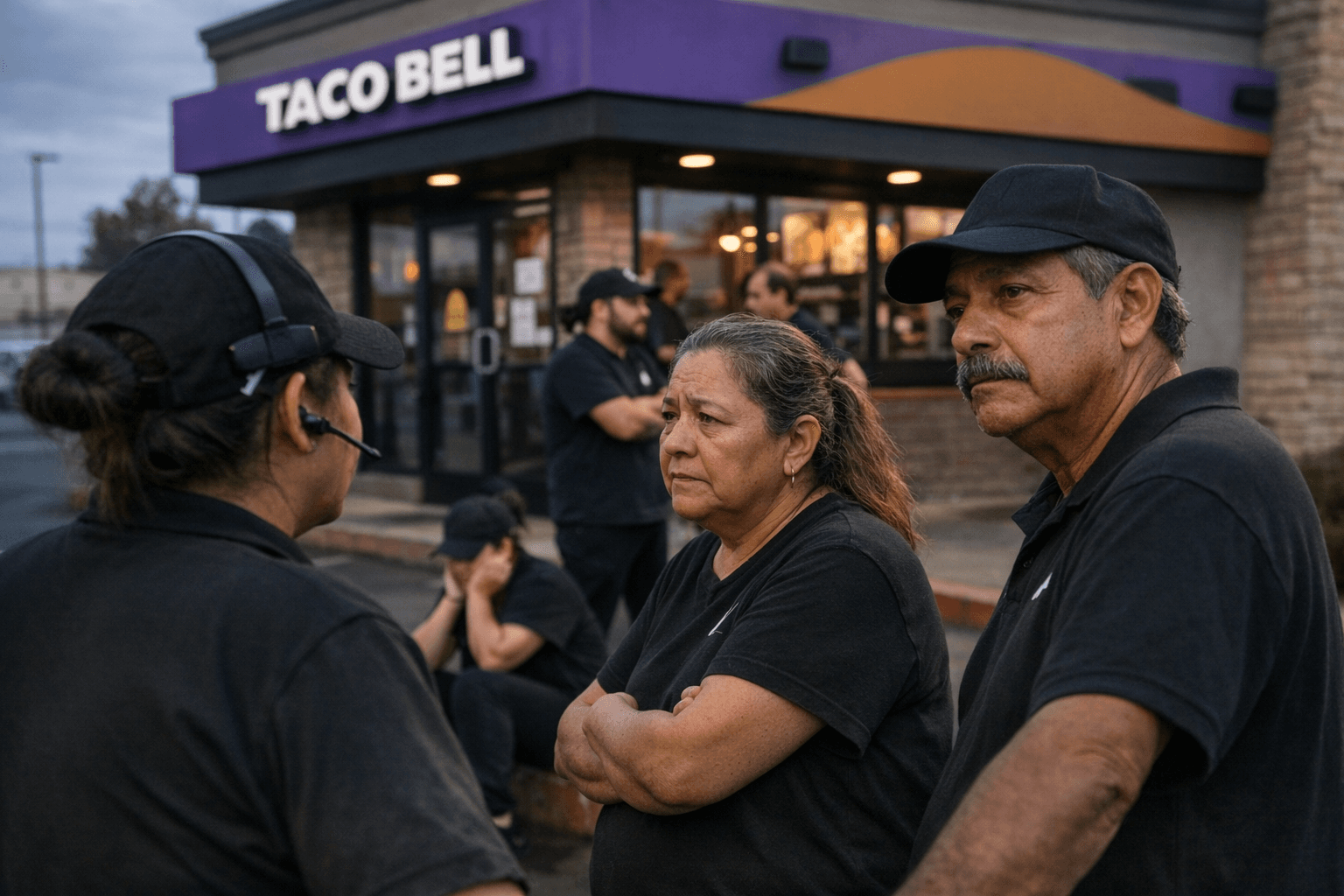
For customers, sudden walkouts can mean short-staffed shifts, longer wait times and temporary service disruptions. For managers, the incident raises questions about the trade-offs of cutting labor costs in ways that may trigger organized pushback or lose experienced employees whose institutional knowledge helps run busy shifts.
What happens next will hinge on whether store management restores hours, opens a dialogue with the affected employees, or faces further union action. The San José incident underscores a broader workplace dynamic in fast food: scheduling decisions are not just an administrative detail, they are central to retention, worker financial stability and the relationship between crew members and leadership. Workers and observers will be watching whether the cuts are reversed and whether the California Fast Food Workers Union pursues additional actions at this and other locations.
Know something we missed? Have a correction or additional information?
Submit a Tip